A pathway for ministry leadership at The Lakes Evangelical Church, with character and conviction at the heart
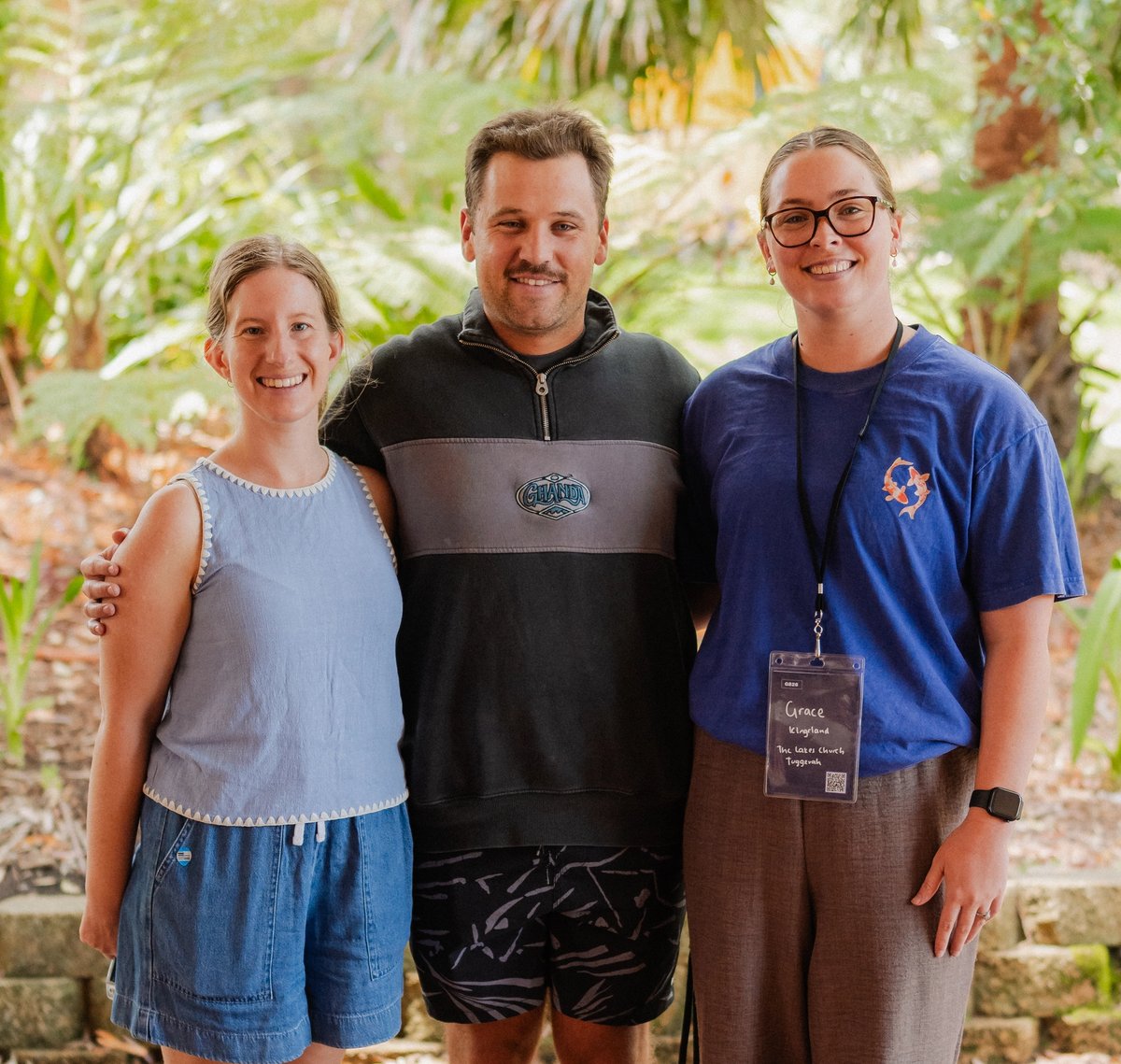
On the Central Coast of NSW, a church is demonstrating how a leadership pipeline can be an effective and meaningful process for raising up and training gospel leaders for the wider church.
The Lakes Evangelical Church, Tuggerah, has always been keen to train and equip people for ministry. When the church was planted in 2002, it started out with an MTS apprentice! Over the years since, 25 apprentices have been trained through the church, going on to work in university ministry, pastoral ministry, evangelistic ministry, multicultural ministry, school chaplaincy, and more!
The Tuggerah Lakes region has approx. 140,000 people and has a higher proportion of trade workers and fewer professionals than the average in NSW, so it made sense for The Lakes to think about hands-on, practical ways people can get involved in ministry. The area is very good at naturally attracting retirees as more people move from Sydney to the Coast. Over the last couple of years, the church has also seen more young families and kids move into the area, with the MTS apprentices often playing a key role in ministry to kids, youth and young adults.
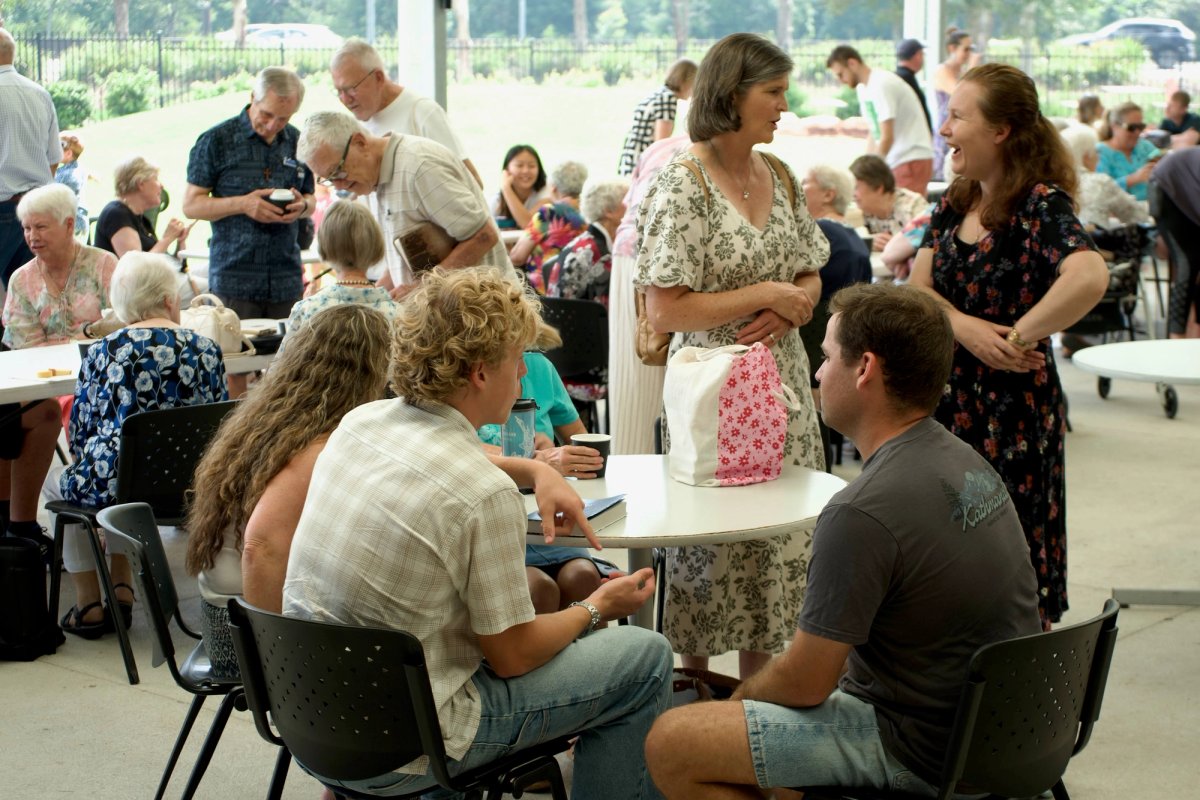
Mel Clement, Serving & Women’s Ministry Coordinator at The Lakes, has seen the impact of a church culture built around training and development. “Although there’s been different seasons of people coming through the pipeline, having people see that training for full-time ministry is a possibility really helps,” she says.
The church has found that one of the things that attracts apprentices is more apprentices!
Having a critical mass opens up doors and opportunities - but also means a systematic, team-driven approach has been needed to make sure the pathway continues to be an avenue for healthy growth.
Identifying potential
The process of identifying potential future gospel workers starts early, by noticing people in the senior youth group who love Jesus and have godly character. Because of the church’s location, a lot of young people stick around as they become uni students, and the church can support them and nurture their faith and development over a number of years.
The church has a specific MTS recruiting team that meets twice a year. This team will organise to have intentional conversations with identified individuals about what it might look like to use their whole lives to serve Jesus. The team also annually invites potential apprentices to an MTS information night and the Mission Minded conference.
Ideally, someone will have been involved in church ministry and have had a go at leading a team at church before undertaking an apprenticeship. They are particularly keen for potential apprentices to lead in ‘Word Ministries’ to have some understanding on a small scale before signing up to do it full time.
“We like to encourage our young adults at night church to be involved in one Word Ministry (for example, kids church, youth group, growth group leading) and one night church ministry (such as welcoming or the dinner team),” Mel explains.
The typical pathway means that a young person may be thinking about an MTS apprenticeship and having intentional conversations about it for a number of years, from as young as age 17, before they apply.
Usually, those considering an MTS apprenticeship are encouraged to attend some Mission Minded conferences while at university, and work for a few years before committing. But of course, there are lots of exceptions to the pathway. Some don’t do uni and head straight into the workforce or delays due to family commitments may be necessary. And older people are not excluded from the pathway either! “We’ve also had someone in our church start an MTS apprenticeship in his 50s and stick around on staff afterwards,” Mel shares. “His life and work wisdom and experience have been such a blessing!”
The process in action
But what does this pathway look like in practice? Past apprentice Erin’s story is a great example. She grew up in a non-Christian family and became a Christian in high school.
During university, she moved to the Central Coast and started attending The Lakes. Erin got involved in one-to-one Bible reading, started leading at the senior youth group and also on the church’s summer mission. Through these experiences, and having a housemate that did an MTS apprenticeship, she was convinced that all people needed a chance to know Jesus, and doing an apprenticeship would be the best way for her to commit her life to that cause.
Erin’s apprenticeship gave her lots of chances to run ministries, teach the Bible, and be trained. After heading to Bible college with her husband, Erin now works as a chaplain in a high school, where she has the opportunity to have hundreds of evangelistic conversations with students each week and spur on Christian students in their faith.
Character is king
When it comes to thinking about who might be suitable for the leadership pipeline, The Lakes have developed a handy acronym to help them: FAST. “We’re looking for people who are faithful, available, servant-hearted, and teachable,” Mel explains. The ideal candidate for the pathway to an MTS apprenticeship is faithful to God and his Word, holding it as the highest priority, and is available and able to give time to ministry. They also must be servant-hearted, putting the needs of others above their own, serving like Jesus did. Finally, it is crucial that they are teachable, able to seek out and receive feedback, spiritually hungry, willing to be led and to grow.
The goal is not just recruitment to an MTS apprenticeship, but rather to spur someone on to best use their whole life to serve Jesus. The MTS recruitment team at The Lakes wants to help potential leaders see the need for gospel workers and become curious about what role they might play in filling that need. But the key is character. “Character is king,” Mel says. “We invite them because of their character and convictions about the gospel, not because they are really competent at doing XYZ in ministry. This lays a foundation for when pride and fear creep in, as they learn to understand that ministry is all about Jesus and less about them.”
Related Stories
Building a pathway to gospel work: Lessons from St Jude’s
More than a decade ago, a fire and a change in senior minister left St Jude’s needing to steady itself for a season, and ministry training — long a value of the church, took a back seat. Sam joined the team as the church was coming out of that period, right as COVID added its own delay. Once restrictions lifted, rebuilding this part of the church’s life became a priority.
Read More 
A ministry training culture that keeps multiplying, with Hunter Bible Church
“Once you’re a disciple, you’re a disciple maker.” At Hunter Bible Church (HBC) in the New South Wales Hunter region, that’s not a tagline on a wall. It’s a conviction that shapes the way an entire community thinks about its people, its time, and its purpose for twenty-five years and counting.
Read More 
Gospel impact through ministry training, with Josh Allen
Read More 
A Pipeline for Ministry: Growing Gospel Workers in North West Australia
Read More