How will you live your life, all for the kingdom?
An MTS apprenticeship is the best way to begin finding out.
Workers for the harvest.
The harvest is plentiful, but the workers are few. Jesus' own words.
MTS exists because the gospel needs more gospel workers, and workers are shaped in ministry, on the ground, under a trainer, well before they reach theological college. An apprenticeship is where that shaping starts.

Available apprenticeships
There are many churches and organisations across the nation that currently have Scholarship and Employed apprenticeship opportunities available. Check them out via the link below.
Why be trained
Ministry is not just theory. Two years under a healthy gospel ministry trainer will teach you what a classroom cannot: how to sit with someone reading a Bible for the first time, how to carry the weight of pastoral conversations, how to preach faithfully to real people, how to keep going when the week is hard. By the time apprentices reach theological college, they are not starting from scratch. They are bringing real ministry experience to the texts they are studying. Theological college principals notice it: the students most engaged, and most able to apply what they are learning, are the ones who did an apprenticeship first.

"MTS recruiting conferences have been instrumental in helping many of our students and graduates to think through gospel work decisions, including my own decision to go into ministry."
Mike Dicker, Principal, Youthworks College 
"We need the next generation of courageous, godly, and well-trained church leaders to step up NOW, and I can't think of a better strategy to help them do that than an MTS apprenticeship."
Andrew Judd, Faculty, Ridley College 
"MTS and Moore Theological College have a strong partnership. Many of our students and alumni are former MTS apprentices. We are praying that God will continue to use the work of MTS to raise up many gospel workers."
Mark Thompson, Principal, Moore Theological College 
"My two year MTS apprenticeship helped me to experience gospel ministry with all its joys and challenges before making the decision to study at theological college."
Lucy Langfield, Pastoral Staff, Hunter Bible Church 
"I praise God for the many people who invested in my ministry training. I went to MTS recruiting conferences, did an MTS apprenticeship, studied at Moore Theological College, was trained by CMS at St Andrew's Hall in Melbourne, and am now serving in ministry in Japan."
Kellie Nicholas, CMS Missionary, Japan 
I recently finished my studies at SMBC — I loved it and feel well-equipped for ministry. I'm now serving as an assistant minister at St Luke's Anglican Church, Miranda. Before SMBC, I did an apprenticeship at the University of Wollongong in partnership with AFES and the local Presbyterian church — and honestly, MTS recruiting conferences were what helped me take that leap in the first place. Going back now helps me stoke the fire in others and grow as a trainer myself."
Luke Murray, Assistant Minister, St Luke's Anglican Church, Miranda
Stories from apprentices
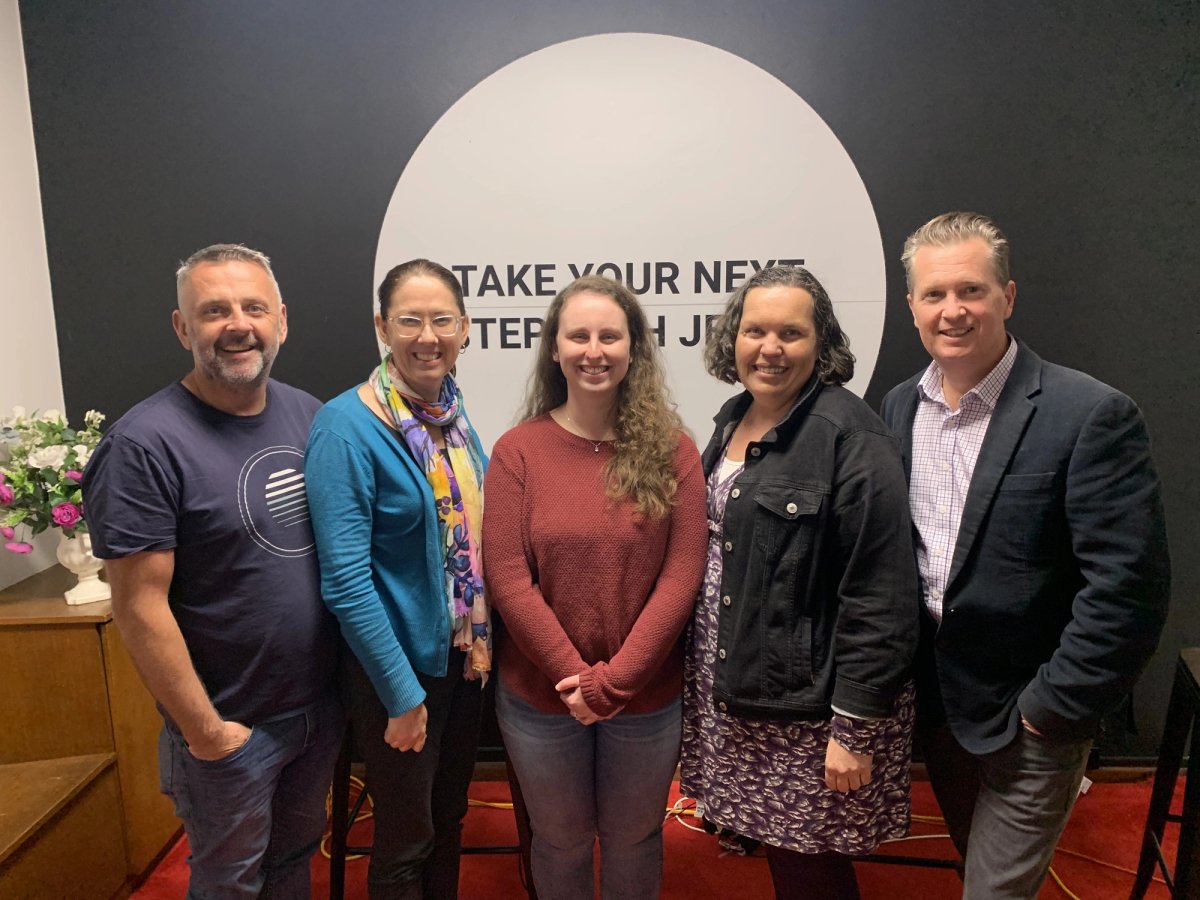
It takes a village to train an apprentice: Emma Moxham and her five MTS trainers
Read More 
Ministering across generations, languages and cultures with apprentice Chris Tou
Read More 
Within our limits, with James & Amelia Murphy
Read More 
Exploring ministry and opportunities for women: Georgie’s MTS apprenticeship at Lighthouse Church
Read More
Two apprenticeship models.
There are two ways to do an MTS apprenticeship. Your trainer will help you work out which fits your situation. You don't need to decide alone.
Scholarship apprentice
You raise financial support from friends, family, and churches. MTS handles the infrastructure: donation portal, tax-deductible giving, and compliance. You study alongside your apprenticeship at an accredited college (Cornhill College, Youthworks College, Mary Andrews College, or similar).
Employed apprentice
Your training centre employs you directly. Salary, superannuation, and leave are handled by your church or organisation, the same way any other employment works. Many employed apprentices still raise support for their income; in this model that giving runs through the training centre's accounts, not through MTS.
Come and see.
Your best next step is a recruiting conference. You will meet trainers, Bible college students, and apprentices. People already doing the work, and find out whether an apprenticeship is for you.
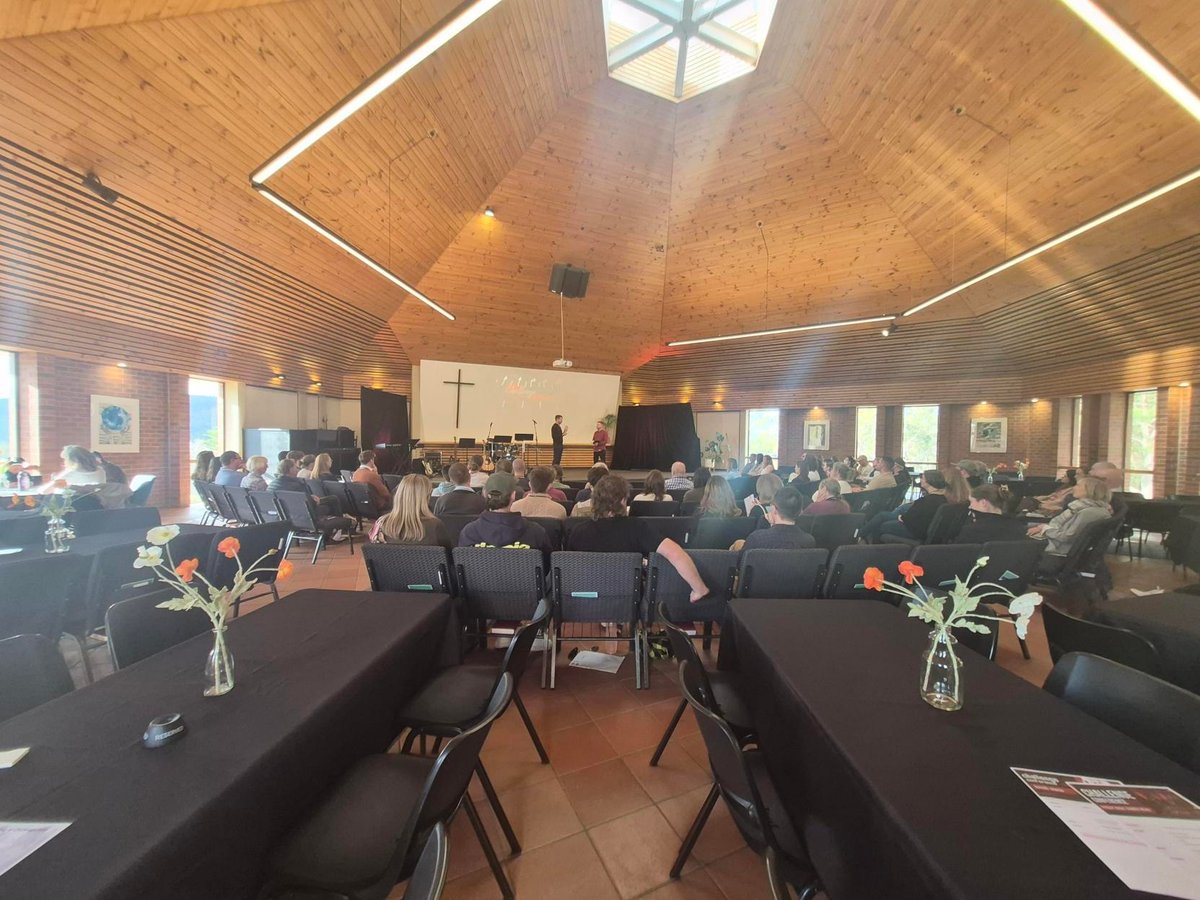
Challenge Conference TAS
Kingston Christian Reformed Church

Mission Minded Newcastle
Hunter Bible Church, Garden Suburb
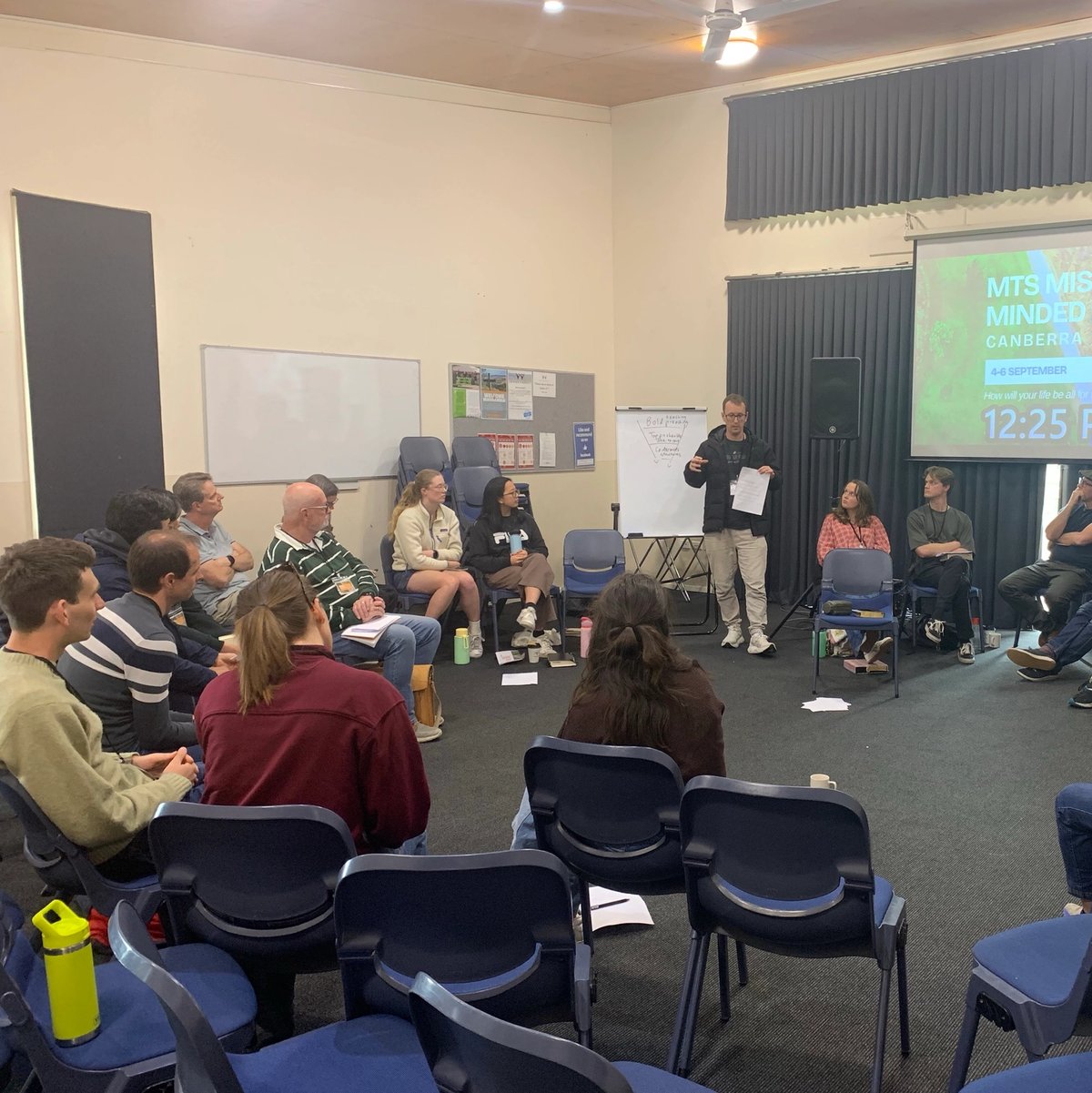
Mission Minded Canberra-Riverina
Warrambui Retreat and Conference Centre
Mission Minded South Coast
Ulladulla Civic Centre
Frequently Asked Questions
An MTS apprenticeship is a two-year, full-time ministry training experience based in a local church or organisation. Centred on prayer, Bible study, preliminary theological study, and hands-on ministry, it gives you the opportunity to “live the life” of a full-time gospel worker.
An apprenticeship is designed to come before degree-level theological study or an employed ministry role. Alongside real-life ministry experience, apprentices typically undertake introductory theological reading and training, helping them build strong biblical and theological foundations while immediately applying what they are learning in practice.
An MTS apprenticeship helps you work out:
- how you’re wired, and
- where you might best serve in growing God’s Kingdom over the long term.
Think of it like any other apprenticeship—electrician, carpenter, or builder. You learn on the job, while being trained, mentored, and supervised by an experienced and skilled trainer. Rather than learning ministry only in the classroom, apprentices are shaped through real responsibility, real people, and real gospel work.
MTS apprenticeships suit a wide range of people, including:
- Those exploring gospel ministry: Not sure whether ministry is for you? An apprenticeship helps you find out before committing years to theological study.
- Those intending to pursue full-time ministry: If you are aiming for full-time gospel work, an apprenticeship provides hands-on ministry experience and practical skills to complement future theological study—helping you ask the right questions when you head to theological college.
- Those stepping into ministry later in life: Career changers or those with newly freed-up time can bring valuable life, work, and leadership experience into a focused season of ministry training.
- Those preparing for non-church ministry roles: An MTS apprenticeship also equips people for gospel ministry beyond the local church, including school chaplaincy, workplace chaplaincy, SRE teaching, and other specialist ministry contexts.
The simple answer is that you become an apprentice by accepting an offer made by a church or organisation. However, before they will offer you a position, you need to be a mature Christian, involved in ministry in your church, and wanting to explore whether full time gospel ministry is for you.
The apprenticeship is centred on active participation in evangelism and Bible teaching, under the leadership of an endorsed and experienced trainer. Apprentices are trained using the MTS curriculum, which is designed to grow character, conviction, and competence across eight core learning areas:
- Bible Study
- Thinking Theologically
- Prayer and Godliness
- Relationships in Ministry
- Evangelism and World Mission
- Teaching the Bible
- Training Others in Ministry
- Leadership
Together, these learning areas shape apprentices for a lifetime of faithful and effective gospel ministry.
There are real and lasting benefits to gaining ministry experience before committing three or four years to full-time theological study:
- Clarity before cost: An apprenticeship helps you discern whether you are suited for Word ministry before the personal, financial, and relational costs of changing direction become significantly higher.
- A wise and informed decision: Even if you decide not to pursue full-time paid ministry, that decision will be thoughtful and well grounded — based on genuine, hands-on ministry experience rather than assumptions or theory.
- Better preparation for theological study: If you do go on to theological college, an apprenticeship deepens your appreciation of theological study and prepares you for the real-world dynamics of ministry that study serves.
- Greater long-term ministry fruitfulness: Research consistently shows that those who complete a ministry apprenticeship before theological college are significantly more likely to remain in gospel ministry over the long term.
Ministry happens in relationship. The content of training could, in theory, be covered in a classroom in a matter of weeks—but that misses the point. Deep and lasting learning takes time, as relationships grow with both the trainer and the people being served in ministry.
It is usually in the second year of an apprenticeship that genuine progress is seen and real challenges emerge. Apprentices begin to see people converted, Bible study groups grow, and struggling Christians make costly and courageous decisions. At the same time, they come face-to-face with their own strengths, weaknesses, blind spots, and mistakes.
This is where deep learning occurs—not simply learning what ministry is, but what it requires. Experience across two full years allows apprentices to move beyond initial enthusiasm, to reflect, adjust, and grow in wisdom and maturity. The two-year duration also provides meaningful continuity of leadership within the local ministry, benefiting both the apprentice and the people they serve.
You can read a about past apprentice, Georgie’s, MTS apprenticeship here and what she loved about it being across two years.
MTS strongly recommends undertaking an apprenticeship full time. One of the key benefits is experiencing what full-time gospel ministry actually feels like—including its ambiguous priorities and the blurred boundaries between work, ministry, and personal life.
For this reason, MTS also recommends that apprentices do not hold a part-time job during their apprenticeship. Working part time dilutes the formation experience and creates divided loyalties—for example, when ministry preparation is unfinished, but an external work shift cannot be declined.
MTS therefore expects the sponsoring church or ministry to ensure that the apprentice is adequately supported financially, either through payment or scholarship funding, so that they can devote themselves fully to the training opportunity.
No prior theological training is required. An MTS apprenticeship is designed as a practical first step in ministry formation, and is usually undertaken before formal, degree level theological study.
Apprentice weeks vary from training centre to training centre, however, to provide you with some insight we asked one apprentice to describe what a typical week for them would look like Click here
Possibly — but it depends on your visa type and work or study conditions.
MTS Apprenticeships involve full-time ministry training within a local church or ministry organisation, and in most cases include employment or scholarship support. Because of this, apprentices must hold a visa that legally permits the kind of work and study involved.
In particular:
- MTS Scholarships are restricted to Australian citizens and permanent residents.
- Non-scholarship (curriculum/employed) apprenticeships may be possible for visa holders, provided the visa allows appropriate work rights and the training centre is able to meet all legal requirements.
Visa circumstances can be complex, and MTS does not provide immigration advice. Training centres will need to ensure that the prospective apprentice is legally able to undertake the apprenticeship before offering it to him/her.
No. Many people complete an MTS Apprenticeship and—having learned a great deal about God, ministry, people, and themselves—wisely decide not to pursue a paid vocational ministry role. This is a good and healthy outcome, not a failure.
These former apprentices consistently prove to be godly, capable leaders within their churches, serving faithfully in personal ministry, small groups, leadership teams, and administrative roles. Their apprenticeship continues to bear fruit in lifelong gospel service.
A trainer has failed only if:
- they make apprentices feel like second-class citizens for not entering vocational ministry, or
- they push or affirm someone into a ministry role they are not suited for.
Faithful training involves helping people discern—not forcing outcomes. Helping someone reach a wise, honest conclusion about their future in ministry is success.